Everything you need to know about scarring alopecia—its causes, symptoms, types, diagnosis, and treatment options to prevent permanent hair loss.
Dealing with any type of hair loss can be difficult, but coping with scarring alopecia can feel like an uphill battle. This type of hair loss can cause permanent damage, resulting in bald spots on the scalp. Some individuals can even experience bumps, redness, or flakes. Do you have scarring alopecia and wish to know about its causes, symptoms, and effective treatments? You are in the right place. In this blog post, we will discuss what scarring alopecia is, its causes, and its symptoms. We will also discuss options available for scarring alopecia treatment in Noida.
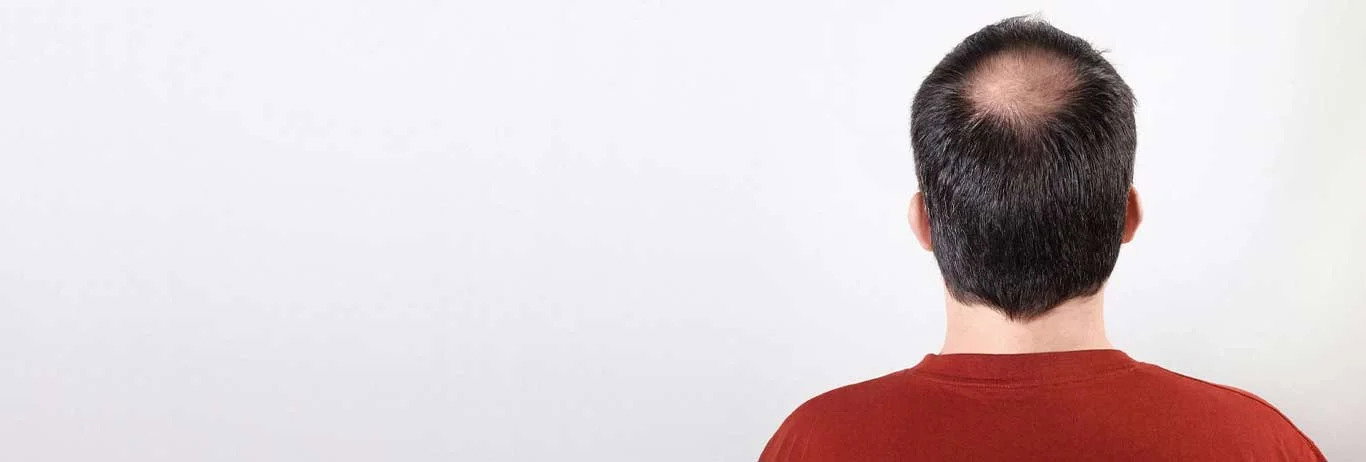
What is Scarring Alopecia?
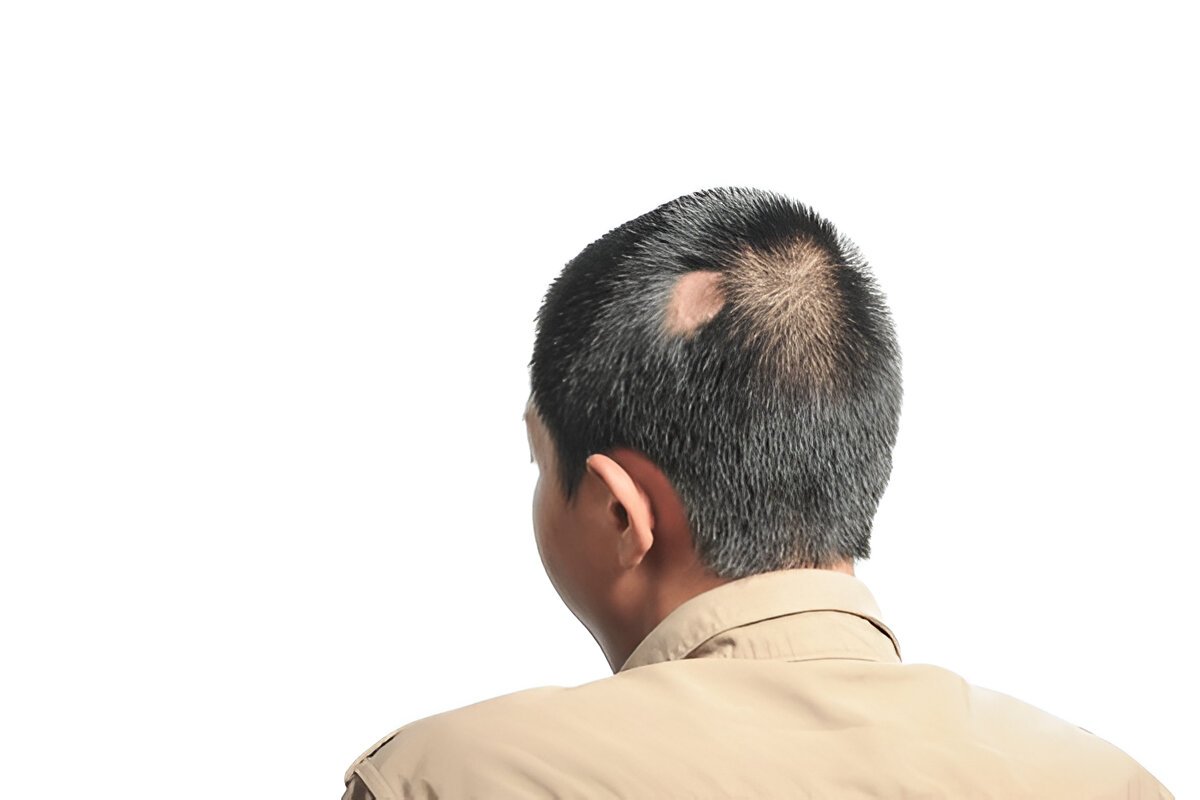
Scarring alopecia is a type of permanent hair loss that commonly happens when the hair follicles are destroyed completely. It can be of two types, i.e., primary scarring alopecia and secondary alopecia. Non-external causes of primary scarring alopecia are alopecia mucinosa, erosive pustular dermatosis, and lichen planopilaris. Causes of secondary scarring alopecia include burns, radiation treatments, and infections, which may result in scarring.
What are the Causes of Scarring Alopecia?
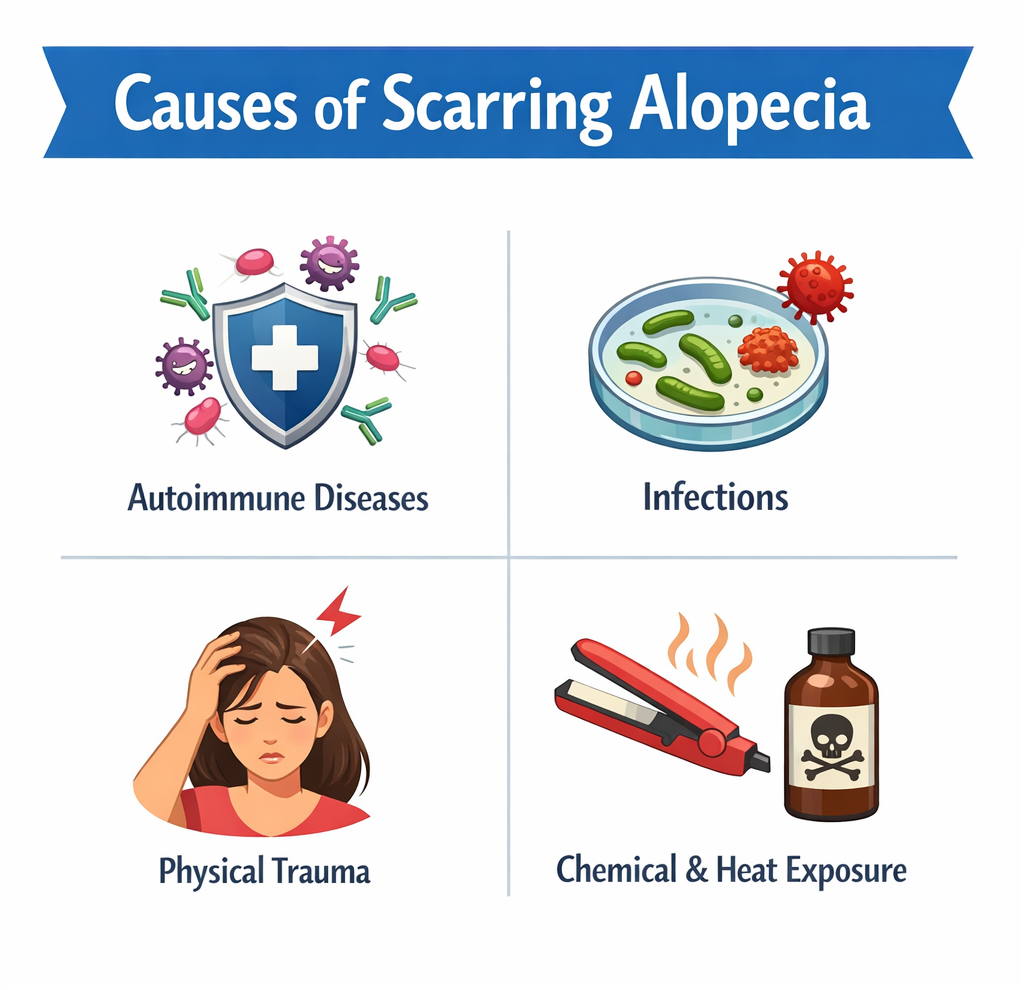
The exact cause of scarring alopecia is not known. The common reasons include inflammatory or autoimmune disorders, skin injuries, medical treatments, or burns. All of these factors contribute to the destruction of the hair follicle, resulting in permanent hair loss.
What are the Symptoms of Scarring Alopecia?
The most common symptoms of scarring alopecia include redness, burning, itching, scaly skin, and patches of hair loss. If you have any of these symptoms, consult a medical practitioner to determine the underlying cause. You can schedule a consultation with the top skin specialist in Noida who can assess your scalp and provide an effective treatment.
How is Scarring Alopecia Diagnosed?
Although diagnosing this disorder can be challenging, a dermatologist frequently employs specific methods mentioned below to determine if a patient has this disorder.
1. Hair Pull Test
A popular diagnostic method for anyone suffering from hair loss is the hair-pulling test. In order to determine the number of hairs removed, a dermatologist will gently pull the hairs on the head during the test. It is possible to determine the stage of the hair loss cycle by looking at hair under a microscope. It is a very quick and painless method.
2. Examining the Scalp
By looking at the scalp, a dermatologist can determine whether a patient has scarring alopecia or any other type of hair loss. During this examination, the dermatologist will carefully inspect your scalp, sebaceous glands, and hair.
3. A Scalp Biopsy
The most common method for diagnosing hair loss is a scalp biopsy. This straightforward technique entails taking a sample of skin cells from the scalp, which looks at the oil glands and stem cells. After that, the dermatologist will send the sample to a lab for a more thorough analysis and to find what causes damage to the hair follicles.
Consult the skin experts at Skinlogics Clinic for scarring alopecia treatment
At Skinlogics Clinic, the skin experts will diagnose scarring alopecia by conducting a biopsy, which can also determine the type of scarring alopecia. There are numerous techniques available to treat scarring alopecia to prevent additional permanent hair loss. Antibiotics, immunosuppressants, hair growth stimulants, and hair transplants are all such effective options.

At Skinlogics Clinic, the cost of scarring alopecia in Noida ranges from Rs. 3,500 to Rs. 8,500 per session. This will depend on how severe the condition is, the number of sessions, and the combination of treatments.
To get the benefits of scarring alopecia treatment, make an appointment with the skin specialists at Skinlogics Clinic right away.